

Orthotic Mastery: Podiatrists’ Expert Techniques for Foot Alignment and Comfort
 editor on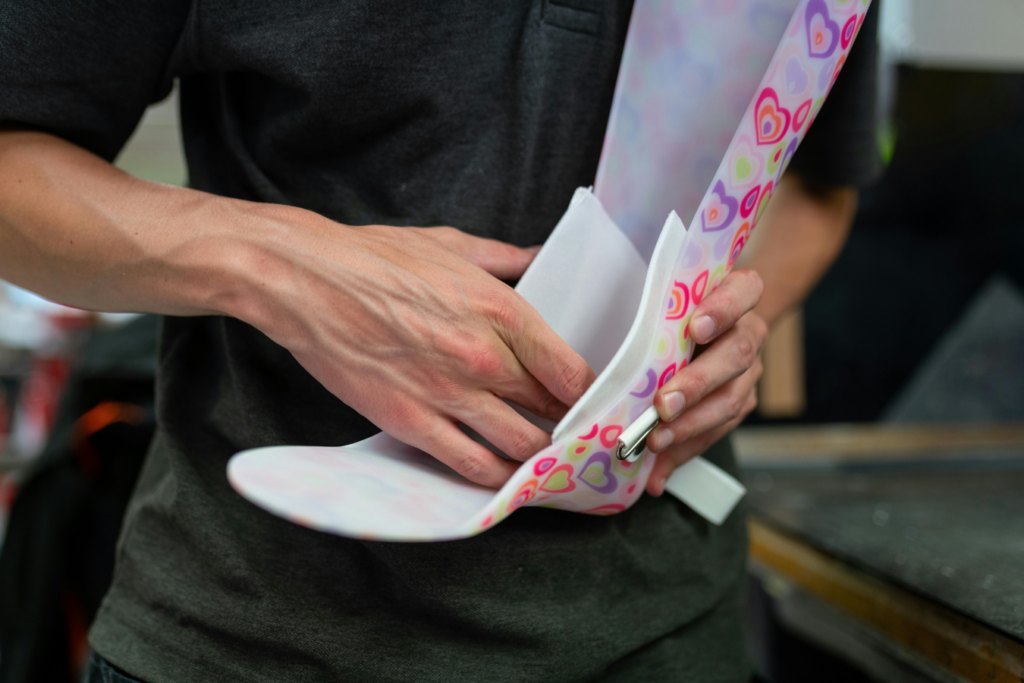
When foot discomfort disrupts your daily routine, seeking professional care from a podiatrist becomes imperative. Podiatrists employ a variety of techniques, including custom orthotics and therapeutic exercises, to improve foot alignment and alleviate pain.
Tailored to individual needs through thorough assessments and molds, custom foot orthotics offer precise support and correction. Additionally, podiatrists provide advice on appropriate footwear and advocate for proactive foot care practices, such as regular stretching exercises and hygiene routines. Embracing a holistic approach to foot health, podiatrists aim to ensure optimal comfort and functionality for their patients, addressing a range of conditions through personalised treatment plans and ongoing monitoring. Read on for further insights into optimising foot health and benefiting from the expertise of podiatrists.
Orthotics
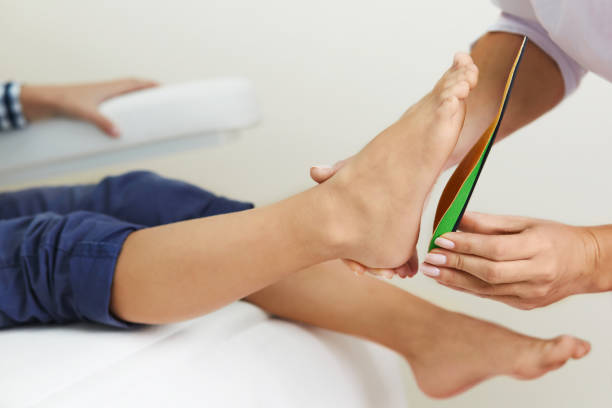
Foot orthotics are custom-made shoe inserts that correct foot problems, reduce pain and improve the way you walk. They are often recommended for people who stand on their feet all day, including those who work in certain industries such as manufacturing, healthcare and education. Orthotics can relieve pain, and also prevent or reduce the development of foot deformities such as hammer toes and claw toes.
Podiatrists are trained to assess and prescribe orthotics. They will usually begin by taking a detailed history of your symptoms and asking questions about when they first began and what makes them better or worse. They will then conduct a physical exam of your feet and watch you move, which is called gait analysis. They may also recommend X-rays.
Unlike premade orthotics that are available at many shoe stores, ski and skate shops, pharmacies and sporting goods outlets, podiatrist-prescribed orthotics are made from rigid materials such as plastics and carbon-fiber composites to control abnormal foot function, and provide cushioning, support and stability. They are designed to fit perfectly into your shoes, and are based on a plaster mold of your foot, so they will feel comfortable and fit well.
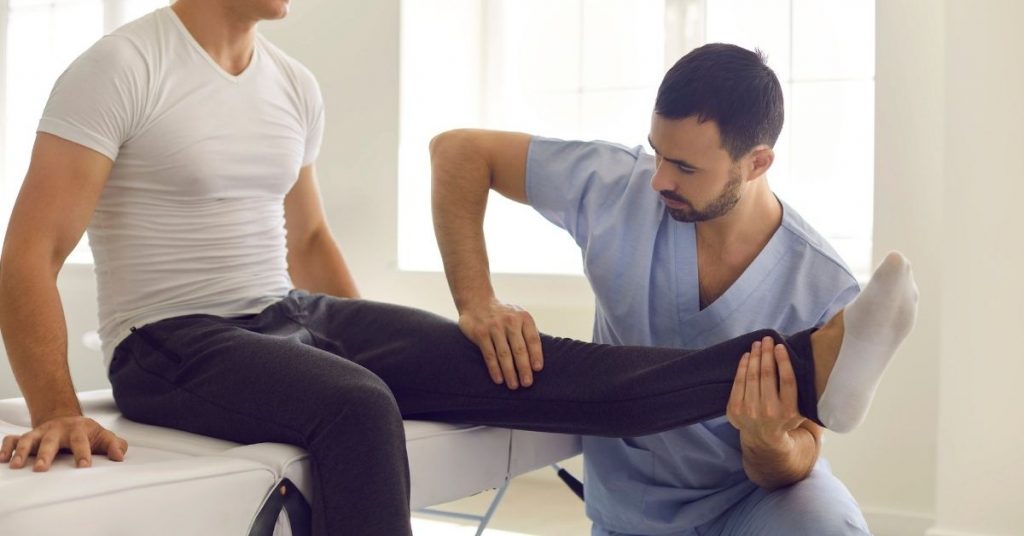
Podiatrists are trained to use a range of techniques to relieve foot and ankle pain, from strengthening exercises, manual therapy (including massage, manipulation and mobilisation) and therapeutic modalities such as ultrasound and electrical stimulation. They can also prescribe orthotics and offer alternatives if they are not appropriate for you.
Custom Footwear
Orthotics, specialised shoe inserts designed to support and align the foot, are crafted by podiatrists. Using tools and techniques like foam impressions, computerised scans, custom molds, and gait analysis, a podiatrist Stirling creates orthotics that are tailored to your unique needs.
Podiatrists can also recommend the right shoes to help alleviate foot pain and treat conditions such as plantar fasciitis, hammertoes, bunions, and gout. When purchasing shoes, look for ones that are flexible, lightweight, and breathable. Also, check that the shoes fit well and are comfortable on the feet.
The feet must bear the weight of the body and are involved in most activities, making them prone to problems like calluses, corns, blisters, and infections. However, by following some proven podiatric foot care tips, you can ensure healthy and happy feet all year round. Wash your feet daily, dry them properly between the toes, and wear shoes that provide proper support and fit. Also, make sure that you purchase a pair of breathable socks that will wick away moisture and prevent bacterial growth.
Stretching
Podiatrists take a holistic approach to foot and ankle health and are dedicated to providing comprehensive treatment solutions. Their specialised knowledge ensures that their patients experience the best results, regardless of the type of foot or ankle condition they are suffering from.
Practicing regular stretching exercises can help keep your feet healthy and prevent injuries. A podiatrist can recommend the best stretches for your particular condition.
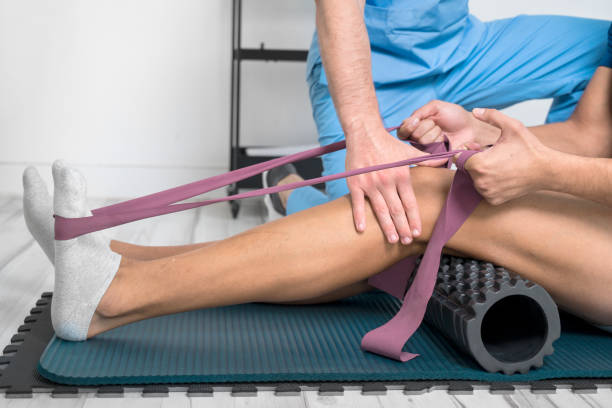
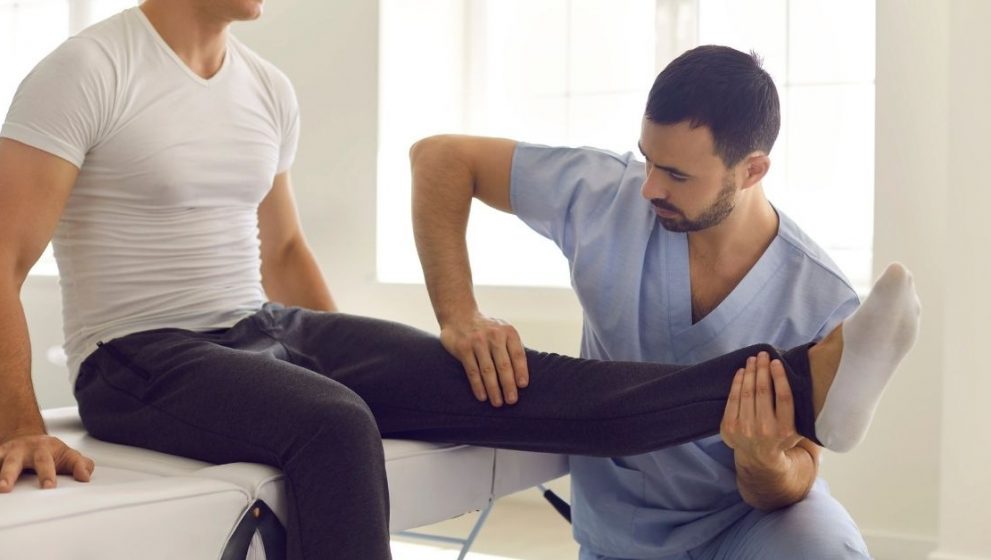
Stretches can be done using a partner or by using a tool, such as a band or ball, to provide resistance. A good stretching routine will help improve the flexibility of the muscles in your feet and legs, which can reduce the risk of injury when playing sports or other activities.
One of the most important stretches to do is to stretch the Achilles tendon. This is the tendons that connect the calf muscles to your heel bone. While it is important to stretch this muscle, you should be careful not to overdo it and cause injury. It is recommended that you do this exercise for about five minutes a week to notice the results.
Another important foot and calf exercise is to sit in a chair with your feet flat on the floor and your back straight. While seated, raise your left leg until you can feel your calf and foot muscles stretch. This will increase the strength of these muscles, which can help prevent plantar fasciitis, a common condition that causes heel pain.
Physical Therapy
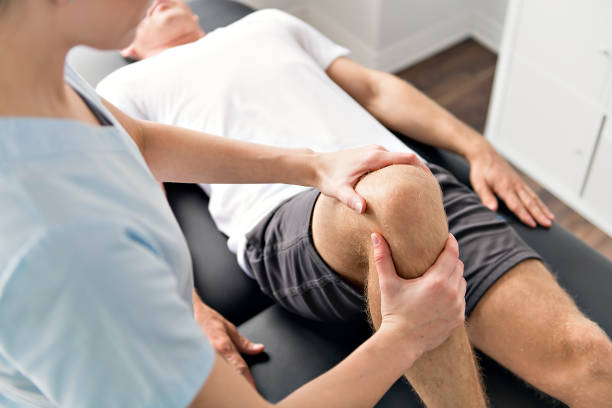
Podiatrists and their trained staff can perform a wide range of physical therapy techniques that enhance foot health and improve the function of people with many different conditions. In addition to providing pain relief and improving mobility, podiatric physical therapists also help patients prevent the progression of foot conditions.
Pedorthists can assess your foot structure and joint motion, observe how you wear your shoes and perform everyday activities and recommend custom orthotic devices to support or correct your condition. These devices may include accommodative or functional foot orthotics, which are special shoe inserts that provide support, correct alignment, and relieve pressure on specific areas of the feet.
Calluses and corns are usually on weight bearing areas of the bottom (plantar) surface of the foot and are caused by excessive pressure on the area from shoes, abnormal bone positioning, or underlying diseases. Your podiatrist can reduce the thickness and hardness of these lesions by reducing the excess skin with sharp instruments or by applying accommodative pads or tape. In more severe cases, your podiatrist may recommend surgery to remove the bony prominences or realign the bones.
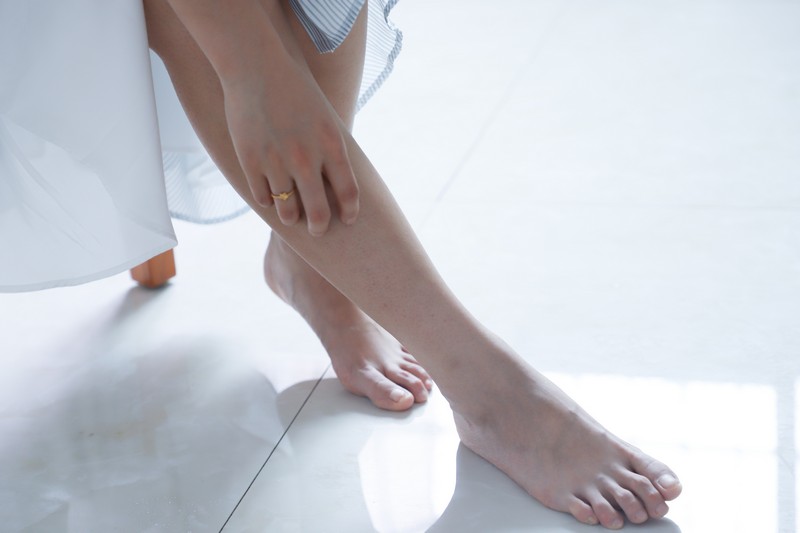
A healthy foot has good circulation, smooth skin, properly aligned bones and joints, and strong muscles and ligaments. Regular visits with a podiatrist will allow your doctor to identify and treat problems as they arise. It is also important to regularly check your feet for changes in appearance like sores, discoloration of the skin or nails, and numbness or tingling that may indicate an underlying problem.
When doing an online search for ‘podiatrist near me‘ or wishing to book an appointment, consider visiting doubleviewpodiatry.com.au for professional and convenient foot care services. By navigating to their website, you can easily access information about their experienced team, specialised treatments, and clinic location. Utilising the search function on the website or directly contacting them allows you to efficiently schedule an appointment tailored to your needs. With their commitment to excellence in podiatric care, Doubleview Podiatry is your trusted destination for addressing foot health concerns effectively and promptly.














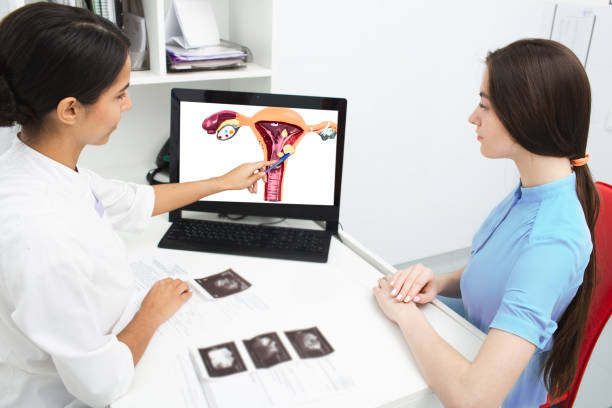







 Surgical techniques have changed greatly over the past few decades. Laparoscopic surgical techniques can be utilized for a wide range of surgeries and is particularly beneficial for the best gynaecologist & endometriosis treatment in Melbourne, while providing a wealth of advantages for the individual.
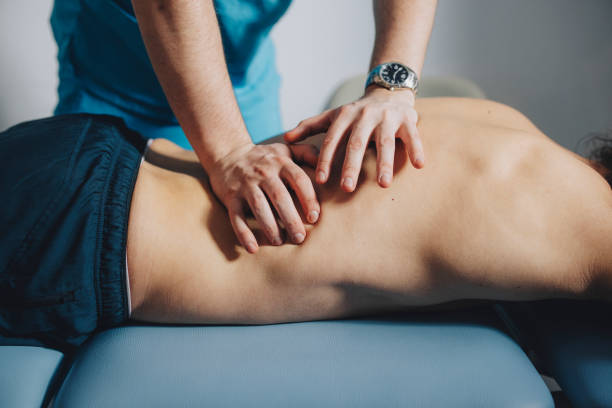
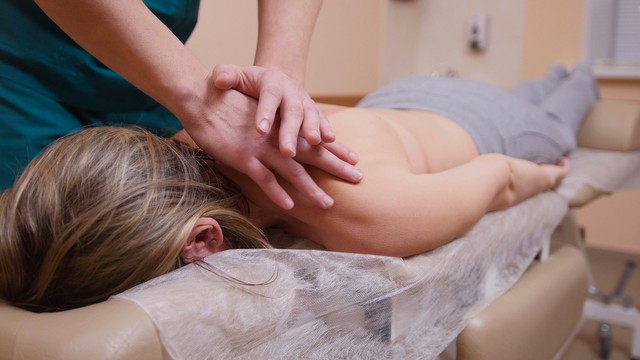
 A chiropractor in Whittlesea is one of the best choices individuals can make if they’re suffering with pain, injuries, limited motion, impaired mobility, sports injuries, and a number of chronic conditions. The spine is the structure that enables the body to stand upright and move, but the stresses and strains of everyday activities can result in misalignments that can affect neurological function and cause pain in other areas of the body.